
Odorous House Ants
What Are Odorous House Ants?
Odorous house ants are small nuisance ants that frequently invade Maine homes in search of food and moisture. Once inside, they often establish well-defined trails along countertops, sinks, baseboards, and other areas where food is readily available. While they do not damage wood or threaten the structural integrity of a home, their large colonies and persistent foraging behavior can make them one of the more frustrating ant species to deal with.
Advanced Pest Solutions helps homeowners throughout Central and Coastal Maine identify odorous house ant activity, locate nesting areas, and resolve infestations before they spread throughout the home.
What Do Odorous House Ants Look Like?
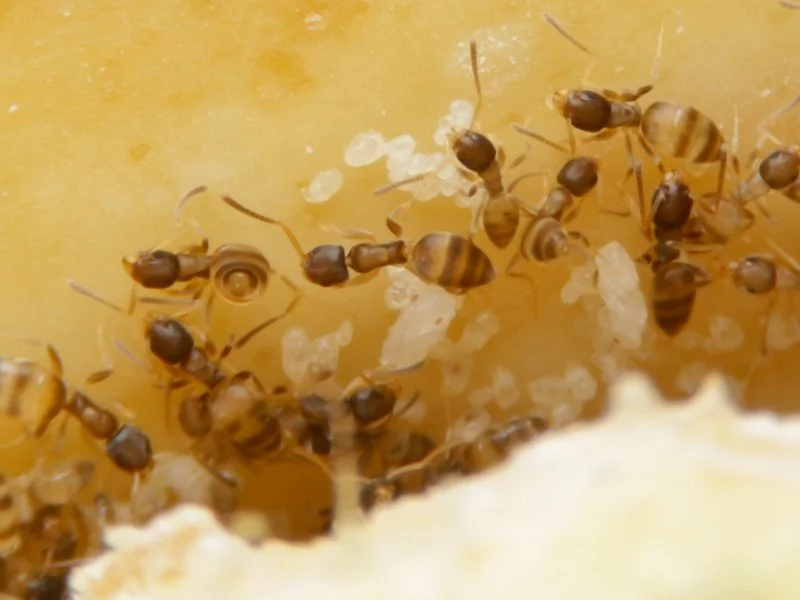
Odorous house ants are a small species and can be difficult to identify without a close look. Workers are typically dark brown to black and measure about 1/16 to 1/8 inch long.
Odorous house ant characteristics include:
Small body size
Dark brown to black coloration
Unevenly shaped thorax
Single hidden node between the thorax and abdomen
Fast-moving behavior
Strong odor when crushed
The odor they produce when crushed is often compared to rotten coconut, blue cheese, or a musty smell, which is how they earned their name.
Signs You May Have Odorous House Ants
Most homeowners first notice odorous house ants when they discover trails of tiny ants moving across countertops, sinks, floors, or pantry shelves. Other signs of activity include:
Ants gathering around sugary foods
Increased activity after rainfall
Multiple trails appear throughout the home
Ants entering through small cracks and gaps
Unlike some ant species that remain hidden, odorous house ants are often highly visible once they establish foraging routes inside a home.
Where Do Odorous House Ants Nest?
One reason odorous house ants can be difficult to control is their flexibility when it comes to nesting locations.
Outdoor nesting sites may include:
Beneath rocks
Under mulch
Beneath landscape timbers
Around tree roots
Under debris
Beneath patio stones
Indoor nesting areas may include:
Wall voids
Under flooring
Behind cabinets
Around plumbing penetrations
Beneath insulation
Inside crawl spaces
Large infestations may contain multiple nesting locations connected to a larger colony.
When Are Odorous House Ants Most Active In Maine?
Odorous house ants can remain active throughout much of the year, but homeowners are most likely to notice them during warmer months when colonies expand and food demands increase.
Spring
Spring often marks the beginning of increased indoor activity. As outdoor colonies become active, workers begin searching for food and moisture, sometimes leading them indoors.
Summer
Summer is when odorous house ant problems often become most noticeable. Colonies grow rapidly, foraging activity increases, and ants may establish multiple nesting locations around the property.
Fall
As temperatures begin cooling, odorous house ants may continue searching for food indoors. Homes can provide reliable food sources and protection from changing weather conditions.
Winter
Established indoor colonies may stay active throughout the winter. Homeowners occasionally notice ant activity around kitchens, utility rooms, and other heated areas even during colder months.
What Attracts Odorous House Ants?
Odorous house ants enter homes looking for food, moisture, and shelter.
Sweet foods are a major attraction. Crumbs, spills, pet food, fruit, and sugary beverages can all draw workers indoors. During droughts or heavy rainfall, colonies may also move closer to homes in search of more favorable conditions.
Once a reliable food source is discovered, workers leave chemical trails that allow other ants to follow, sometimes resulting in long, highly visible trails moving through the home.
Are Odorous House Ants Dangerous?
Odorous house ants are considered nuisance pests and do not cause structural damage like carpenter ants. However, they can contaminate food preparation areas as they travel across countertops, cabinets, and pantries in search of food.
Large infestations can also be frustrating due to their persistence and ability to spread throughout a structure.
Why DIY Sprays Won’t Eliminate Odorous House Ants
Many homeowners attempt to solve odorous house ant problems by spraying the ants they see. While this may provide temporary relief, it often fails to address the larger colony.
Odorous house ants are known for a behavior called budding, where portions of a colony split off and establish new nesting locations. In some situations, improper treatment can actually contribute to the colony spreading to additional areas.
Because colonies often contain multiple nests both inside and outside the home, successful control typically requires identifying the source of activity and targeting the colony rather than simply eliminating visible workers.
How To Help Prevent Odorous House Ants
Keeping odorous house ants out starts with reducing access to food, water, and entry points. Cleaning up food spills promptly and implementing good sanitation practices is helpful. We also recommend the following pest prevention tips:
Store food in sealed containers
Avoid leaving pet food out overnight
Address plumbing leaks
Reduce excess moisture
Seal cracks around windows and doors
Trim vegetation away from the home
Keep mulch and debris away from the foundation
Professional Pest Control for Odorous House Ants
Because odorous house ant colonies often contain multiple nests and can spread throughout a property, professional treatment is frequently the fastest and most effective solution for infestations.
Advanced Pest Solutions offers residential pest control services throughout Central and Coastal Maine to eliminate odorous house ants and prevent new infestations. Our experienced team identifies nesting locations, determines how ants are entering the structure, and provides routine pest treatments year-round to prevent odorous house ants and other common household pests from taking over.
Whether you've noticed ant trails in your kitchen, recurring activity around your home, or ants appearing in multiple rooms, we can help. Contact Advanced Pest Solutions today to request an estimate.
Odorous House Ant FAQs
What do odorous house ants smell like?
When crushed, odorous house ants produce a strong odor that many people describe as rotten coconut, blue cheese, or musty.
Do odorous house ants bite?
Odorous house ants rarely bite people and are not considered aggressive.
Why do the ants keep coming back after I spray them?
Sprays often kill only the ants you can see. The colony itself may remain active elsewhere in the home or on the property.
Can odorous house ants live inside walls?
Yes. Wall voids, insulation, and other hidden spaces can provide ideal nesting locations for indoor colonies.